


Introduction
For startups and established businesses, a mobile application can become an important channel for reaching customers, delivering services, and creating new revenue opportunities. Apple’s iOS ecosystem is particularly attractive to businesses that want to provide a polished digital experience to users on iPhone and iPad. Choosing the right Mobile App Development Company can help transform an idea into a secure, reliable, and scalable application while reducing technical challenges throughout the development journey.
However, successful iOS development involves much more than writing code. Businesses need to consider product strategy, user experience, security, performance, testing, App Store requirements, integrations, and long-term maintenance. Understanding these factors can help startups and businesses make better decisions before beginning development.
Why Businesses Choose iOS App Development
The iOS platform offers businesses access to a large and engaged user base. Apple’s ecosystem is also known for its consistent hardware and software environment, which can make application optimization more predictable.
An iOS application can help businesses provide customers with convenient access to products and services. Depending on the business model, an app can support shopping, bookings, subscriptions, payments, communication, loyalty programs, content delivery, and much more.
For startups, launching an iOS application can also provide an opportunity to validate a business idea with a focused audience before expanding to additional platforms.
Start With a Clear Business Objective
Before contacting developers, businesses should clearly define what they want the application to achieve.
The objective might be increasing sales, improving customer service, simplifying bookings, creating a subscription platform, or automating an internal business process.
A clearly defined goal helps determine which features are essential and which can be introduced later. It also prevents the project from becoming unnecessarily complicated.
Identify Your Target Audience
Understanding users is one of the most important parts of app development. A business should know who will use the application and what problems they expect it to solve.
User research can help identify customer preferences, common challenges, and expectations around mobile experiences.
This information can influence everything from navigation and visual design to notifications and payment options.
Choosing an Experienced iOS Development Partner
Experience can have a major impact on the quality of an application. When evaluating an iphone app development company, businesses should review its portfolio and look for applications with functionality similar to their own requirements.
It is useful to ask potential partners about their experience with APIs, cloud services, payment gateways, authentication, third-party integrations, and App Store deployment.
A strong development team should also be able to explain technical decisions in simple business terms.
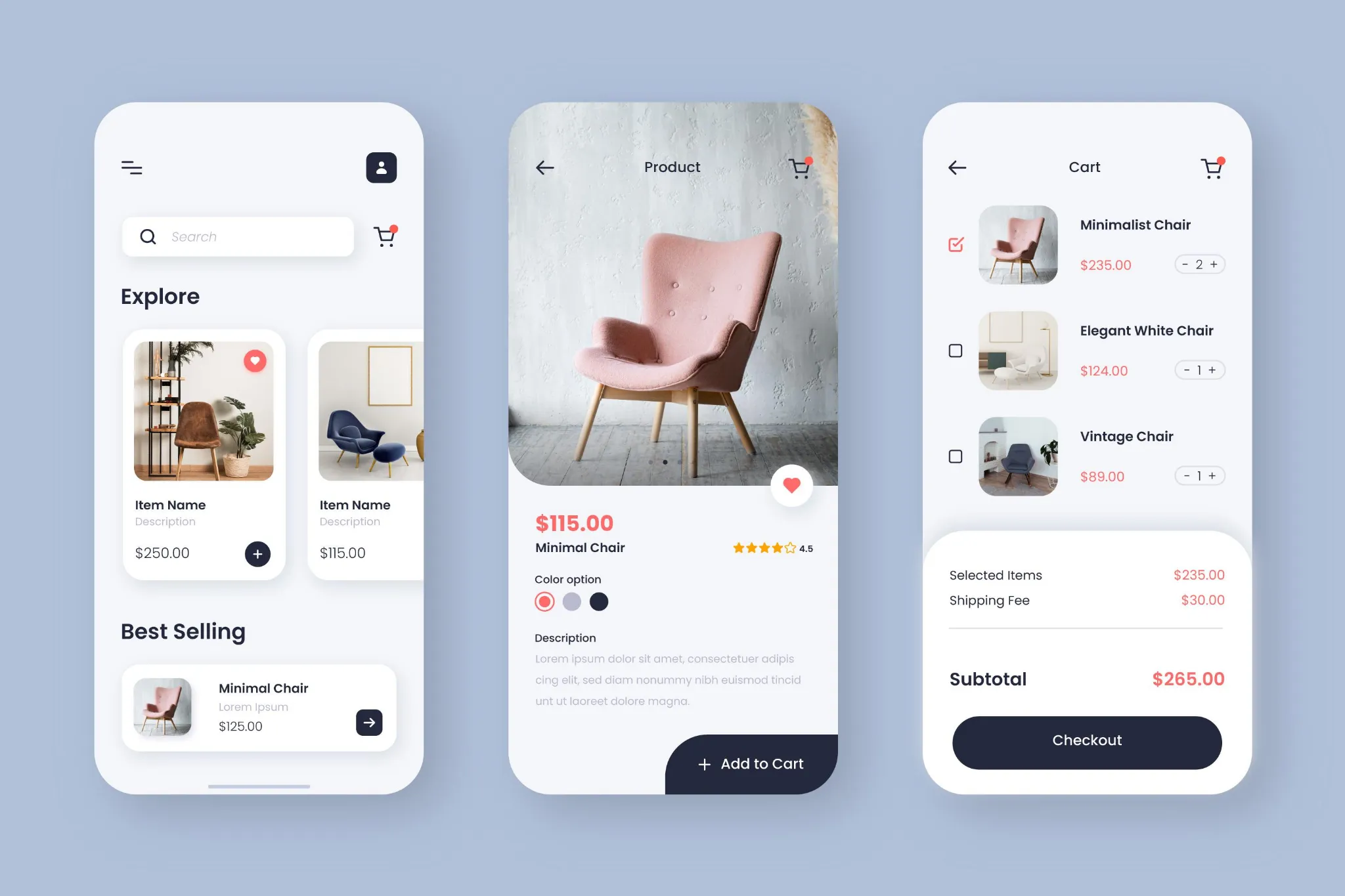
UI and UX Design Matter
Users expect mobile applications to be intuitive. If an app is confusing or difficult to navigate, customers may stop using it.
UI design focuses on the visual appearance of the application, while UX design focuses on how users interact with it.
An effective iOS application should have clear navigation, readable content, logical workflows, accessible controls, and consistent design elements.
Design should also follow Apple’s platform conventions where appropriate so that the application feels familiar to iOS users.
Selecting the Right Technology
The technology used for development can affect performance, scalability, development time, and maintenance.
Businesses may choose native iOS development when they require deep platform integration and highly optimized performance. Other projects may benefit from cross-platform approaches depending on their requirements.
The right choice should be based on factors such as application complexity, budget, performance expectations, target platforms, and future expansion plans.
Security Should Be a Priority
Mobile applications may process personal information, login credentials, payment data, and other sensitive information.
Security should therefore be included from the beginning of the project. Developers can implement secure authentication, encryption, API protection, access controls, and secure data storage.
Businesses should also consider regular security testing and updates after launch.
A secure application protects both the organization and its customers while helping build trust in the digital product.
Integrating Payments and Third-Party Services
Many business applications require external services. An eCommerce application may need payment processing, while a travel platform may require maps, booking systems, and communication services.
Developers need to design integrations carefully to ensure that data moves securely and reliably between systems.
Businesses should identify required integrations during the planning stage because they can influence architecture, development time, and testing requirements.
AI Is Creating New iOS Opportunities
Artificial intelligence is becoming an increasingly useful feature within mobile applications.
Businesses can use AI for personalized recommendations, intelligent search, automated customer support, content assistance, predictive analytics, and conversational interfaces.
For example, a retail application could recommend products based on user behavior, while a productivity application could use AI to summarize information or automate repetitive tasks.
AI should be implemented strategically, with a clear focus on improving user experience or business performance.
Testing Before App Store Launch
Testing is essential before releasing an iOS application. Developers should test functionality, performance, usability, security, compatibility, and integrations.
Testing should cover different supported devices and operating system versions where relevant.
Beta testing can also provide useful feedback from real users. Early feedback can identify confusing workflows, bugs, performance issues, or missing functionality before a wider release.
App Store Submission and Compliance
Publishing an iOS application requires attention to Apple’s App Store requirements. Applications must meet relevant guidelines related to functionality, privacy, security, payments, content, and user experience.
An experienced development team can help prepare the application for submission and address potential issues identified during the review process.
Businesses should also prepare app descriptions, screenshots, icons, privacy information, and other required assets before launch.
Building for Scalability
A successful application may attract more users than originally expected. The technology architecture should therefore be capable of supporting growth.
Cloud services, scalable APIs, efficient databases, modular architecture, and optimized backend systems can help applications handle increasing demand.
Planning for scalability early can prevent technical limitations from slowing down business growth later.
Why Android Compatibility May Also Matter
Although iOS can be an important platform, many businesses eventually want to reach Android users as well.
Working with an android app development company can help businesses expand their application to a broader audience when market demand justifies it.
Businesses should consider their target customers, geographic markets, device preferences, and budget when deciding whether to develop for both platforms.
Post-Launch Support Is Essential
App development does not end when an application is published. iOS releases, device changes, security updates, third-party integrations, and customer expectations can require ongoing improvements.
Regular maintenance can include bug fixes, performance optimization, security updates, compatibility changes, and new features.
A long-term development partner can help businesses keep the application reliable and competitive.
How to Choose the Right Development Company
Before hiring a development partner, consider:
- Relevant iOS development experience
- Portfolio and client references
- UI/UX capabilities
- Technical expertise
- Security practices
- Communication process
- Testing methodology
- App Store experience
- Post-launch maintenance
- Project ownership and transparency
Cost should be considered, but it should not be the only deciding factor. The quality of the development process can have a significant impact on the application’s long-term value.
Conclusion
iOS Mobile App Development Company: A Complete Guide for Startups and Businesses shows why choosing the right technology partner is essential for creating a successful mobile product. From defining business goals and understanding users to designing intuitive experiences, implementing security, integrating modern technologies, testing thoroughly, and planning for scalability, every stage contributes to the final result.
A professional development partner can help businesses turn an initial concept into a reliable iOS application while creating a foundation for future improvements and expansion.
Ready to turn your iOS app idea into reality? Partner with an experienced development team today and build a secure, scalable, user-friendly application that delivers exceptional customer experiences and creates new opportunities for your business growth.